
Red Bull Ingredients: What's Really in Your Can and Why It Matters
When you crack open a can of Red Bull, a popular energy drink known for its stimulant blend and aggressive marketing. Also known as the original energy drink, it’s not just a quick pick-me-up—it’s a carefully engineered mix of compounds designed to trigger alertness, not nourishment. Most people assume it’s just caffeine and sugar, but what’s inside goes deeper—and it’s not always what you’d expect.
The core of Red Bull’s formula is caffeine, a central nervous system stimulant classified as a drug by the FDA. Also known as 1,3,7-trimethylxanthine, it’s the same compound found in coffee, but delivered in a concentrated, fast-acting form—80 mg per can, roughly equal to a cup of brewed coffee. Then there’s taurine, an amino acid naturally found in muscle tissue and often misunderstood as a stimulant. Also known as 2-aminoethanesulfonic acid, it’s not addictive, but it’s included in Red Bull to support brain and heart function, according to the manufacturer. And then there’s the sugar: 27 grams per can, nearly seven teaspoons, enough to spike your blood sugar and crash you an hour later. These aren’t random ingredients—they’re chosen to create a cycle of stimulation, then fatigue, then repeat.
Red Bull also includes B-vitamins like B6 and B12, which your body already gets from food, and synthetic sweeteners in its sugar-free versions. The acid in the drink—phosphoric and citric—can erode tooth enamel over time. And while some claim the ingredients work together to boost performance, studies show that most of the energy boost comes from caffeine and sugar, not the other additives. Athletes avoid it because of NCAA caffeine limits. People with heart conditions are warned off because of how it affects heart rate. Even healthy adults can feel jittery, anxious, or sleepless after regular use.
What you’re drinking isn’t a health product. It’s a stimulant delivery system. And while Red Bull might feel like a quick fix, the long-term effects of its ingredients—especially when consumed daily—are still being studied. The real question isn’t whether it works. It’s whether you want your body to rely on a can of chemicals to get through the day.
Below, you’ll find real breakdowns of what’s in Red Bull and other energy drinks—how the ingredients compare, who should avoid them, and what actually gives you lasting energy without the crash.
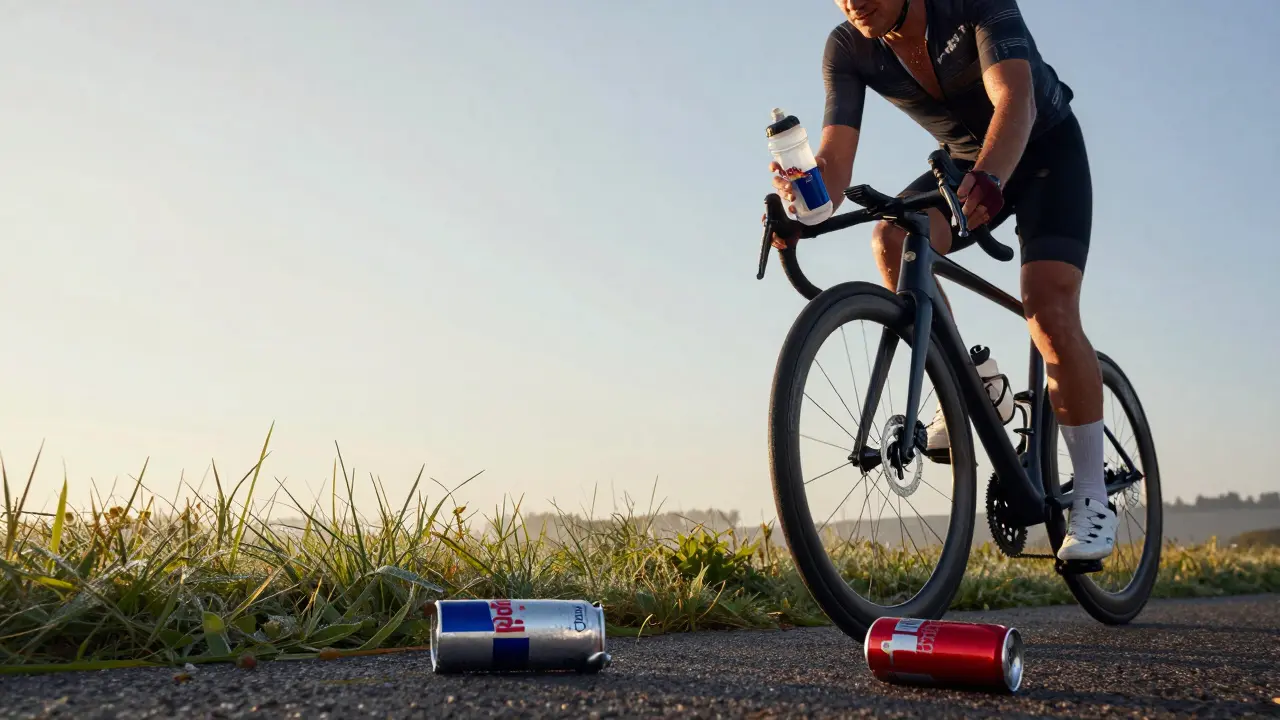
Red Bull isn't a true sports energy drink-it lacks electrolytes and hydration support. While caffeine gives a mental boost, sugar crashes hurt performance. Here's what athletes really need.

Is Red Bull unhealthy? Daily consumption can lead to weight gain, tooth decay, sleep issues, and heart rhythm problems due to high sugar and caffeine. Here's what science says about long-term effects and healthier alternatives.
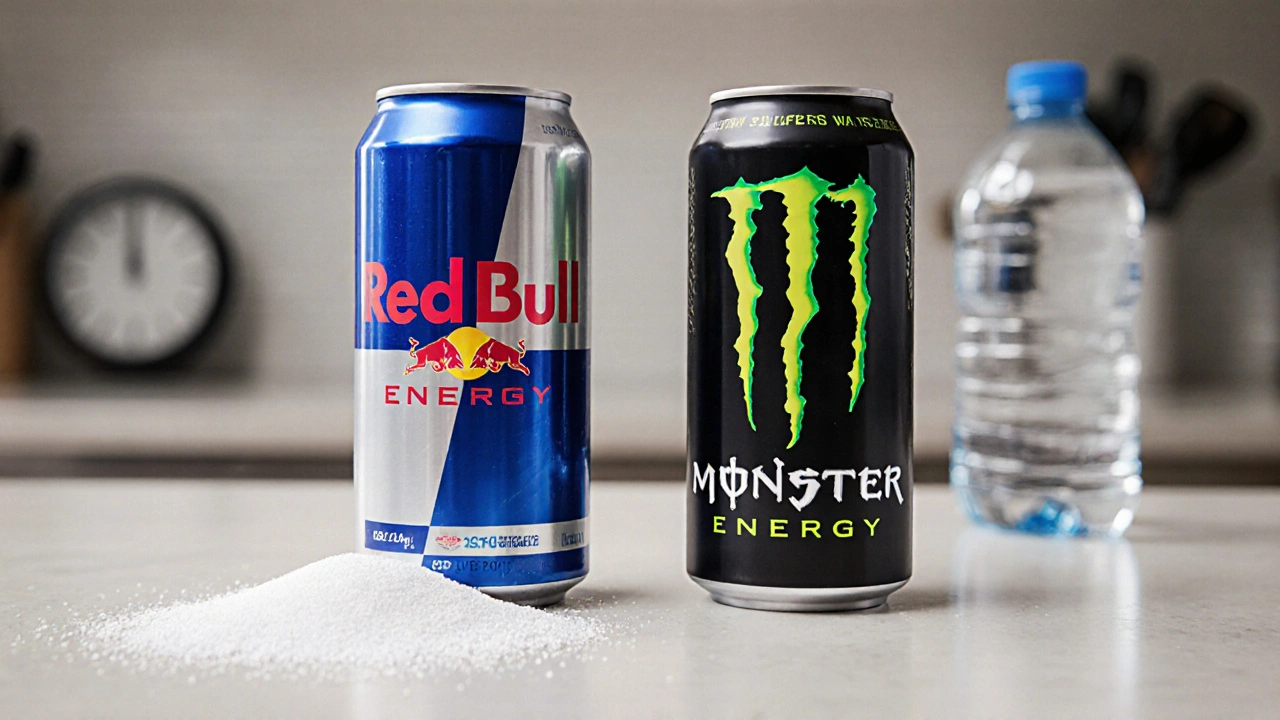
Red Bull and Monster are popular energy drinks, but neither is healthy. Red Bull has less sugar and caffeine per can, making it the slightly better option. Both contain high levels of added sugar and stimulants that can harm long-term health.