
Damaged Liver Signs: Warning Red Flags and the Link to Energy Drinks

The Quiet Warnings: Early Symptoms
Liver damage often sneaks up on you. Because the liver is incredibly resilient and can function even when significantly scarred, you might not feel "sick" in the traditional sense. One of the most common early signs is chronic fatigue. This isn't just being tired; it's a deep, systemic lethargy. When your liver struggles, it can't manage energy stores or clear toxins from your blood, leaving you feeling drained regardless of how much you sleep. Another red flag is a change in your digestive habits. You might notice a loss of appetite or a sudden distaste for foods you used to love. Some people experience mild nausea or a feeling of fullness after eating very little. This happens because a damaged liver may fail to produce enough bile, which is essential for breaking down fats. If your stomach feels bloated or you're experiencing unexplained indigestion, it's worth looking closer at what's happening internally.Visible Red Flags: Skin and Eyes
When the liver can't filter out a pigment called bilirubin, it builds up in the body. This leads to Jaundice, a distinct yellowish hue in the skin and the whites of the eyes. You might notice it first in a mirror under bright light. While jaundice is a late-stage signal, milder versions can appear as a sallow complexion. Then there's the itchiness. Pruritus, or chronic itching, occurs when bile salts collect under the skin. It’s not a rash you can treat with cream; it's an internal trigger. You might also notice "spider angiomas"-small, red, spider-like blood vessels that appear on the chest or neck. These happen because the liver isn't properly processing estrogen, causing blood vessels to dilate closer to the skin's surface.The Connection to Energy Drinks and Hepatotoxicity
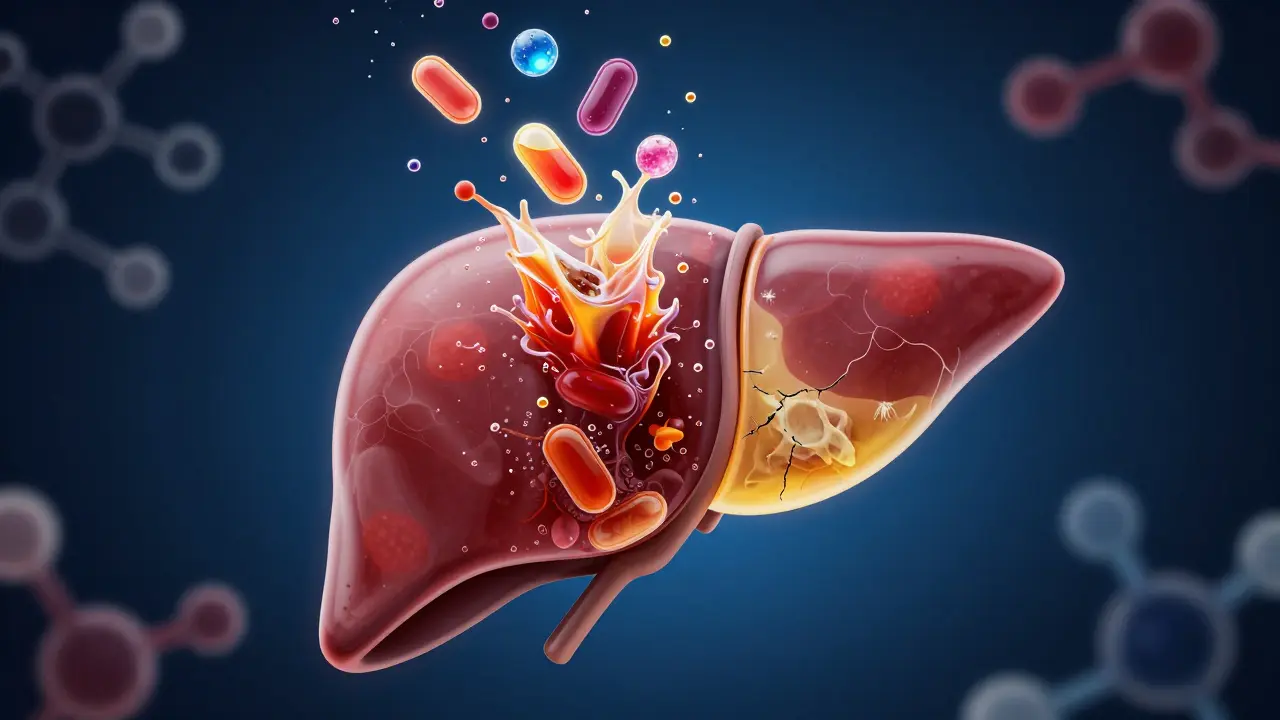
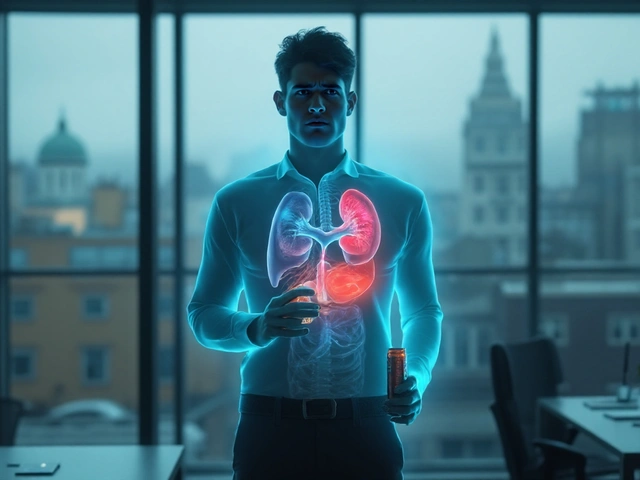
Why does this matter for people who love energy drinks? Some of these beverages contain massive doses of Caffeine, synthetic vitamins, and herbal extracts that can be hard on the liver. While caffeine itself is generally safe in moderation, the combination of high-dose niacin (Vitamin B3) and certain stimulants found in some brands can trigger Hepatotoxicity, which is essentially chemical-induced liver damage. In some reported cases, the excessive intake of concentrated extracts-like certain types of green tea extract or artificial sweeteners-can cause inflammation in the liver cells. If you're drinking three or four energy drinks a day to sustain a high-pressure job or gaming marathon, you're putting a heavy load on your liver's detoxification pathways. When the liver is overwhelmed, it can lead to inflammation, which if left unchecked, progresses to fibrosis and eventually cirrhosis.| Symptom | Healthy Liver State | Damaged Liver State | Primary Cause |
|---|---|---|---|
| Skin Color | Natural skin tone | Yellowish (Jaundice) | Bilirubin buildup |
| Urine Color | Pale yellow/Clear | Dark, tea-colored | Excess bilirubin in urine |
| Energy Levels | Stable and responsive | Chronic, deep fatigue | Toxin buildup in blood |
| Stool Color | Brown/Tan | Pale or clay-colored | Lack of bile in gut |
Advanced Warning Signs: Fluid and Brain Function
If the damage progresses, you might see physical changes in your midsection. Ascites is the medical term for fluid accumulation in the abdomen. It looks like sudden weight gain or a bloated stomach, but it's actually fluid leaking from blood vessels due to high pressure in the liver (portal hypertension). This is a serious sign that the liver is failing to produce enough albumin, a protein that keeps fluid in your blood vessels. Even more concerning is the impact on your brain. When the liver can't clear ammonia from the blood, the toxin crosses the blood-brain barrier. This leads to Hepatic Encephalopathy. You might start noticing a "brain fog," confusion, or a reversal of sleep patterns (sleeping during the day, awake at night). In severe cases, this can manifest as a tremor in the hands, known as asterixis, where your hands flap involuntarily when you hold them out.How to Tell if Your Liver is Struggling (Quick Checklist)
If you're worried, look for these clusters of symptoms. One or two might just be a coincidence, but a combination is a signal to see a doctor:- Dark-colored urine despite drinking plenty of water.
- Pale, clay-colored stools.
- Swelling in the ankles, legs, or abdomen.
- Persistent itching that doesn't respond to lotions.
- Easy bruising or bleeding from small cuts.
- A yellowish tint to the eyes (sclera).
Taking Action and Reversing the Damage
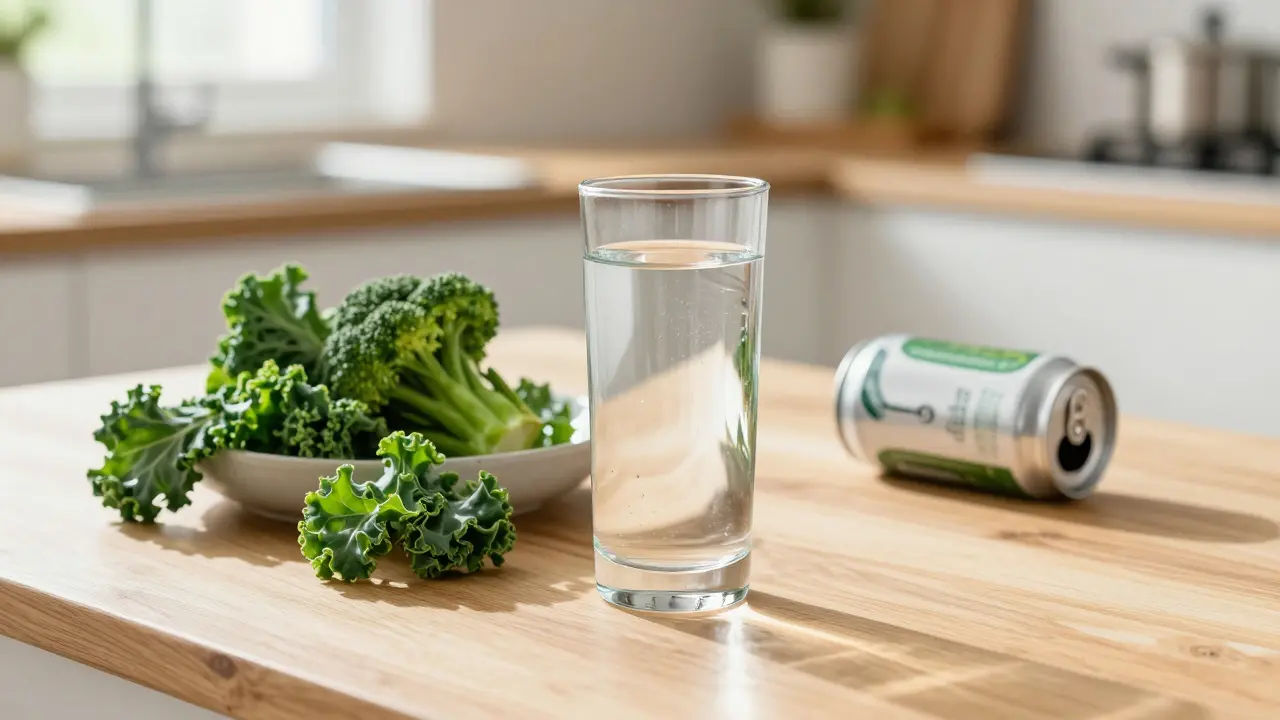
The good news is that the liver is one of the only organs capable of significant regeneration. If you catch the damage early-at the stage of fatty liver or mild inflammation-you can often reverse the process. The first step is identifying the trigger. If your diet is heavy on processed sugars and high-stimulant energy drinks, swapping those for water and whole foods reduces the chemical load on your liver. Reducing the intake of Fructose is also critical. High-fructose corn syrup, often found in cheap energy drinks, is processed almost entirely by the liver. When there's too much of it, the liver converts it into fat, leading to Non-Alcoholic Fatty Liver Disease (NAFLD). Focusing on a diet rich in cruciferous vegetables (like broccoli and kale) and staying hydrated helps the liver flush out toxins more efficiently.Can energy drinks actually cause liver failure?
While rare for a healthy person, extreme consumption of certain energy drinks containing high doses of niacin or specific herbal extracts has been linked to acute liver inflammation. The risk increases significantly if the person has an underlying condition or mixes these drinks with other medications or alcohol.
How long does it take for jaundice to appear?
Jaundice doesn't appear instantly. It usually develops over days or weeks as bilirubin levels climb in the blood. It is often one of the first visible signs that the liver's filtration system is severely compromised.
Is a pale stool always a sign of liver damage?
Not always, but it's a major red flag. Pale or clay-colored stools usually mean bile isn't reaching the intestines. This can be caused by liver damage or a blockage in the bile duct, such as a gallstone.
Can the liver heal itself after chemical damage?
Yes, the liver is highly regenerative. If the cause of the damage (like toxic stimulants or excessive sugar) is removed, the liver can often heal from inflammation and early-stage fibrosis. However, once cirrhosis (permanent scarring) occurs, that tissue cannot be reversed.
What blood tests check for liver damage?
Doctors typically use a Liver Function Test (LFT). This panel checks levels of enzymes like ALT and AST. If these enzymes are leaking into the bloodstream, it's a clear sign that liver cells are being damaged or destroyed.



Comments (13)
Jeff Napier
4 Apr 2026
big pharma just wants you scared so you buy their liver supplements lol energy drinks are just spicy water man
Tom Mikota
6 Apr 2026
wow... a little bit of caffeine is suddenly a death sentence!!! totally logical... right??? lol
Daniel Kennedy
6 Apr 2026
Listen up, you need to stop treating your body like a dumpster before you end up in an ER bed. If you're actually drinking four of these a day, you're not just "gaming," you're committing slow-motion suicide. Get your act together and drink some damn water for once in your life. It's literally the easiest change you can make, so stop making excuses for your addiction to neon-colored syrup. Just do the work and fix your health now or deal with the consequences later when your skin turns yellow.
Taylor Hayes
7 Apr 2026
I totally get where you're coming from, and it can feel overwhelming when you're relying on those drinks just to function. Maybe try cutting back slowly instead of cold turkey? We're all in this together.
Mark Tipton
8 Apr 2026
It is quite fascinating how the medical establishment chooses to highlight synthetic niacin while ignoring the systemic additives designed to create dependency. I find it highly probable that these formulations are intentionally calibrated to bypass initial filtration systems to maximize dopamine spikes, which subsequently overwhelms the hepatocytes. One must observe that the correlation between high-fructose corn syrup and metabolic syndrome is not merely incidental but a calculated result of industrial dietary engineering. Furthermore, the phenomenon of hepatic encephalopathy is often understated in consumer literature to prevent widespread panic, yet the chemical pathways are well-documented in advanced toxicology. It is imperative that we analyze the purity of the water used in these beverages, as heavy metal contaminants often synergize with stimulants to accelerate fibrosis. Truly, the intersection of corporate greed and biological vulnerability is a tragedy of the modern era. I suggest a rigorous analysis of the ingredient labels across different global regions to see the discrepancy in toxicity levels. The truth is hidden in plain sight if one simply applies a critical analytical lens to the data. We are essentially participating in a giant, unregulated biological experiment.
Mike Zhong
8 Apr 2026
The obsession with the physical organ is a distraction from the decay of the human will. We use these stimulants to fake a vitality we no longer possess because our lives are empty voids of corporate servitude. Why bother saving a liver if the life it supports is a miserable grind of 9-to-5 monotony? You're just polishing the brass on a sinking ship.
Adithya M
9 Apr 2026
Exactly! People are just lazy and don't want to follow basic health guidelines! Stop whining and go get a blood test already!
Tina van Schelt
9 Apr 2026
My goodness, the thought of "clay-colored stools" is just absolutely ghastly. Such a vivid and terrifying way to describe a health crisis!
Sibusiso Ernest Masilela
11 Apr 2026
Only a peasant would think that swapping to green tea is a "solution." If you have already managed to wreck your liver with gas-station sludge, you deserve the jaundice. Imagine being so intellectually bankrupt that you can't manage your own basic biological maintenance. Pathetic.
Ronak Khandelwal
12 Apr 2026
Let's all remember that we can heal together! 🌱 Your body is so amazing and resilient. Just one small step a day towards wellness makes a huge difference! You've got this! ✨💪
Jessica McGirt
13 Apr 2026
The mention of spider angiomas is quite a specific detail that really emphasizes the systemic nature of this issue. It is impressive how a single organ's failure can manifest in such diverse physical ways across the body.
Sanjay Mittal
13 Apr 2026
For those checking their LFTs, keep in mind that ALT and AST can also be elevated due to intense exercise or muscle damage, so always correlate results with a physician.
Donald Sullivan
14 Apr 2026
Cut the crap and just stop drinking the stuff. It ain't rocket science.