
Best and Worst Fruits for Weight Loss: What to Avoid
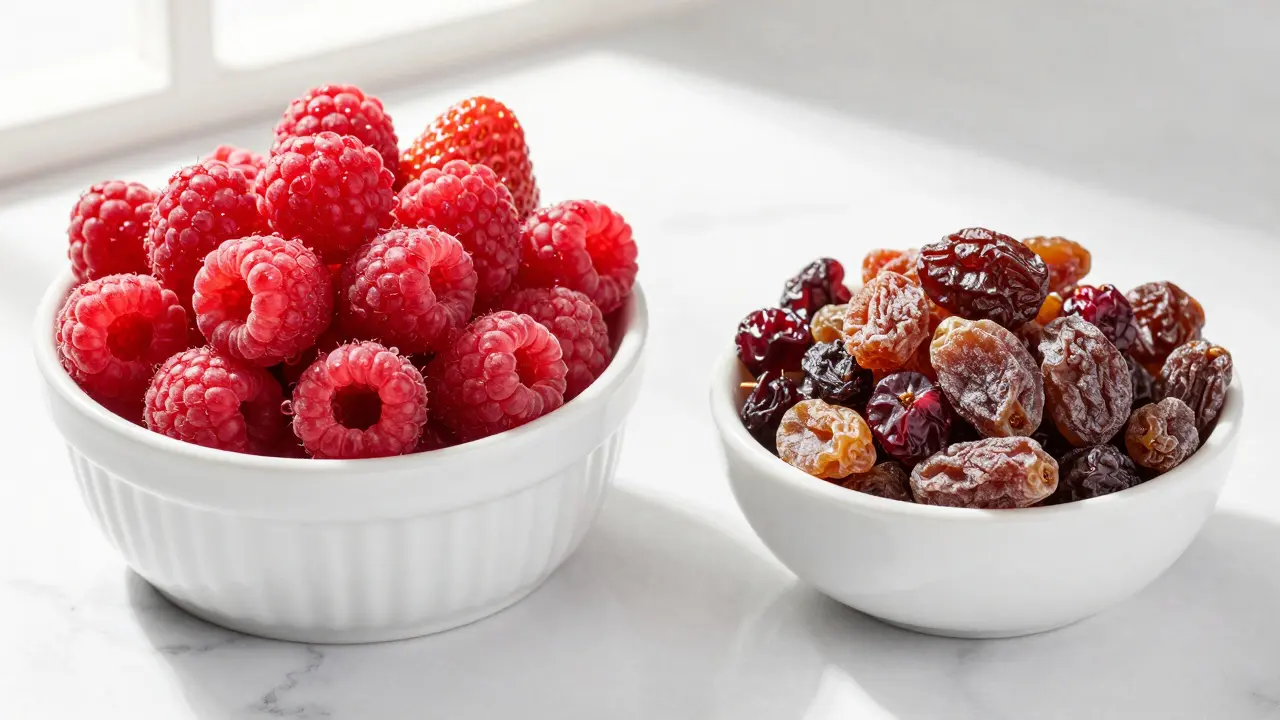
Quick Guide: Fruit Choices for Weight Loss
| Category | Best Choices (Low Calorie/GI) | Use With Caution (Higher Calorie/Sugar) | Impact on Weight Loss |
|---|---|---|---|
| Berries | Strawberries, Raspberries | Dried Cranberries | High fiber, low calorie |
| Tropical | Papaya | Mango, Pineapple | High natural sugars |
| Stone Fruit | Plums, Peaches | Dried Apricots | Moderate sugar |
| Melons | Watermelon, Cantaloupe | Honeydew (in excess) | High water volume |
The Heavy Hitters: Fruits to Limit
When we talk about avoiding certain fruits, we aren't saying they are 'bad' for you. We're talking about fruits for weight loss strategy. Some fruits have a very high caloric density, meaning you get a lot of energy in a very small serving. If you're grazing on these all day, you might accidentally eat more calories than you do during your actual meals.
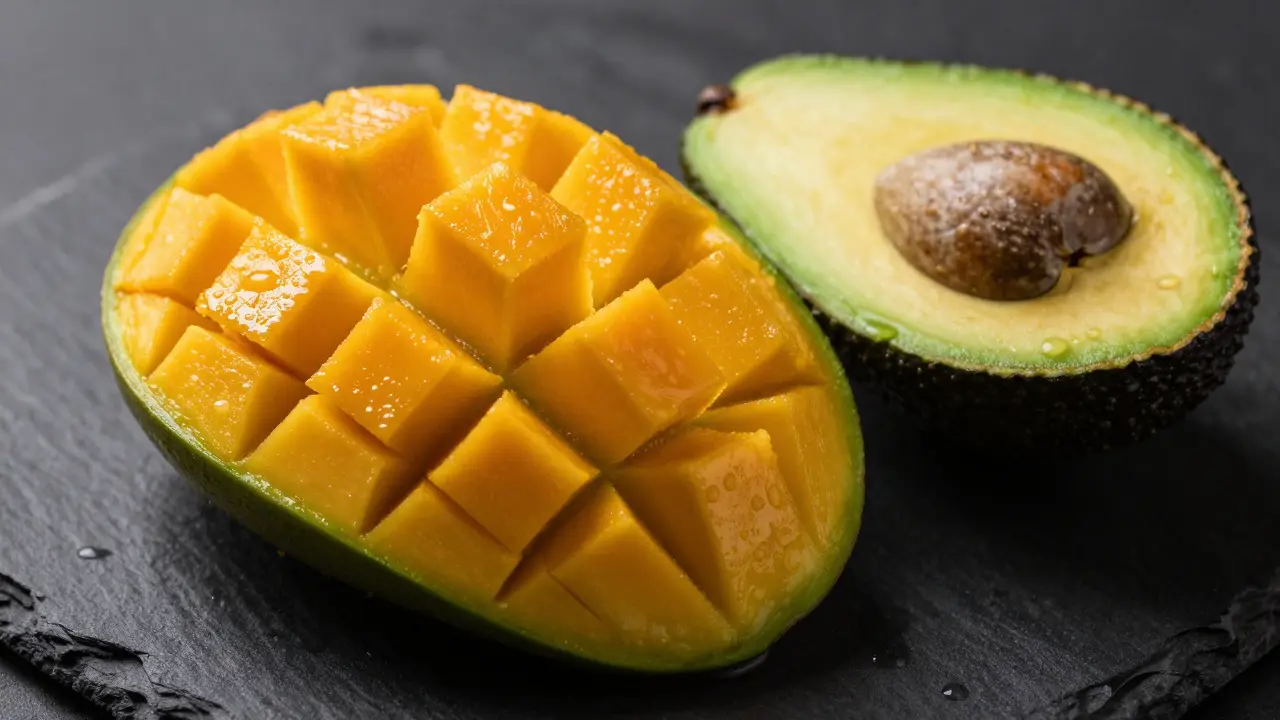
Take Avocados is a nutrient-dense fruit rich in monounsaturated fats. While it's a superstar for heart health, one medium avocado can pack around 250 to 320 calories. If you're adding a whole avocado to your toast and your salad, you've added a significant caloric load to your day. It's a great replacement for butter or mayo, but not a 'free' snack.
Then there are the tropical powerhouses. Mangoes are delicious, but they are incredibly dense in sugar. A single mango can contain up to 150 calories and a high amount of Fructose, which is the simple sugar found in fruit. If you have a habit of eating large chunks of mango every afternoon, you're spiking your insulin, which can make your body hold onto fat rather than burning it.
Similarly, Bananas are a staple for athletes because they provide quick energy. However, as they ripen, the starch converts to sugar. A large banana can hit 120 calories. If you're not hitting the gym or walking for miles, that much concentrated sugar can be more than your body needs at once.
The Dried Fruit Trap
This is where most people trip up. Dried fruits are not just 'concentrated fruit'; they are often sugar bombs. When you remove the water from a grape to make a raisin or a plum to make a prune, the sugar stays behind, but the volume shrinks. This means you can eat five times as many calories in one sitting without feeling full.
Dates are a perfect example. They are often used as a natural sweetener in 'healthy' raw bars, but they are essentially nature's caramel. Just a few dates can send your calorie count soaring. The same goes for dried mango or cranberries, which are often infused with extra refined sugar during processing to make them taste better.
Understanding the Glycemic Index
To make better choices, you need to understand the Glycemic Index (GI), which is a rating system for foods containing carbohydrates, indicating how quickly the carbohydrate in food causes your blood-glucose levels to rise. Fruits with a high GI cause a rapid spike in blood sugar, followed by a crash that leaves you craving more sugar.
Watermelon is a bit of a paradox. It's very low in calories because it's mostly water, but it has a high GI. This means that while it won't make you gain weight through calories alone, it can trigger a hunger response in some people. On the flip side, Berries-like blueberries and raspberries-have a low GI and are packed with fiber, which slows down the absorption of sugar and keeps you full longer.
How to Eat Fruit Without Sabotaging Your Diet
You don't have to give up your favorite fruits; you just need to change how you interact with them. The goal is to manage your insulin levels so your body stays in 'fat-burning mode' rather than 'storage mode.'
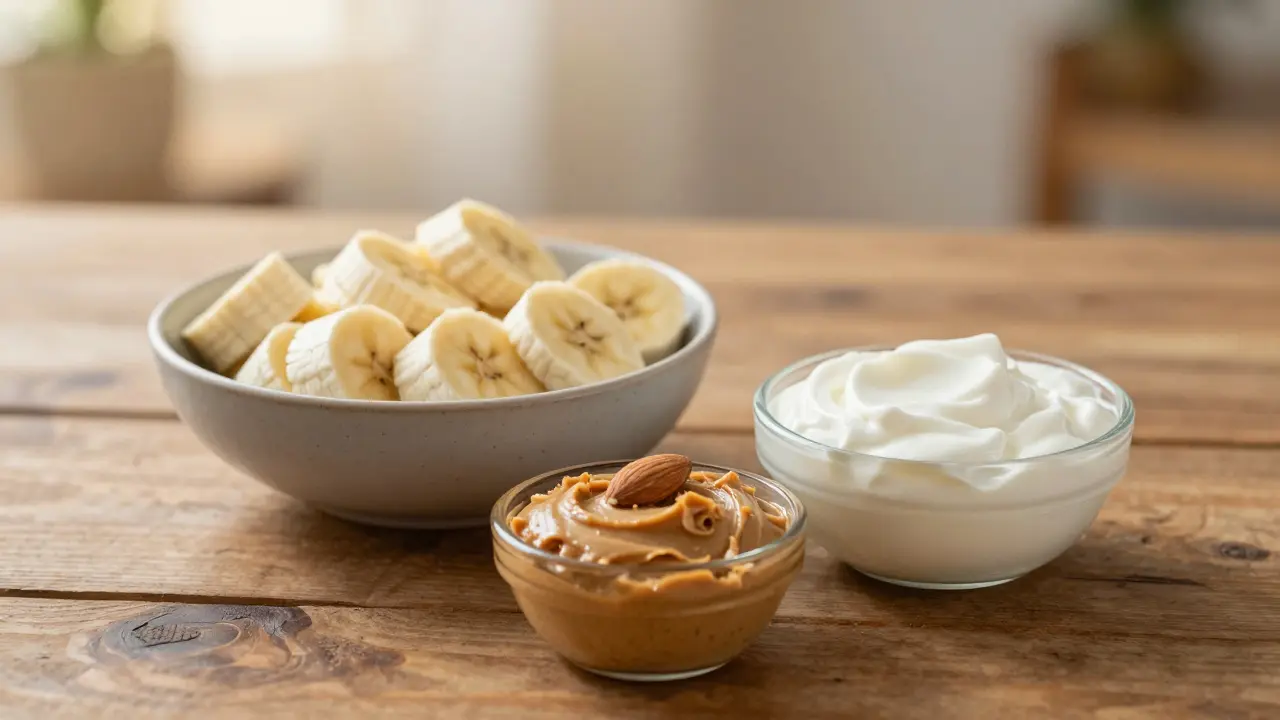
- Pair fruit with protein or fat: Instead of eating a banana on its own, pair it with a tablespoon of almond butter or some Greek yogurt. The fat and protein slow down the digestion of the fruit's sugar.
- Stick to whole forms: Avoid fruit juices. When you juice a fruit, you strip away the fiber. You're left with a concentrated shot of liquid sugar that hits your bloodstream instantly.
- Time your intake: Eat your higher-sugar fruits (like mangoes or grapes) before or after a workout. Your muscles will use those sugars for fuel or recovery instead of storing them as fat.
- Prioritize the 'Watery' fruits: Focus on strawberries, grapefruit, and cantaloupe. You can eat a much larger volume of these for the same amount of calories.
Practical Swaps for Your Daily Snacks
Making small adjustments can lead to a huge difference in your weekly calorie deficit. If you usually reach for a handful of dried apricots, try a bowl of fresh blueberries instead. You'll get more volume, more antioxidants, and significantly fewer calories.
If you love the creaminess of a mango smoothie, try using frozen cauliflower or zucchini as a base and adding just a small amount of mango for flavor. You'll get the texture and taste without the massive sugar hit. Also, swap out your morning orange juice for a whole orange. You'll feel fuller because of the fiber, and you'll avoid the 'sugar crash' around 11 AM.
Are all high-sugar fruits bad for weight loss?
No, they aren't 'bad.' They provide essential micronutrients. The issue is quantity and timing. If you eat them in moderation and pair them with protein or eat them around your workout, they can be a great part of a weight loss diet.
Can I eat bananas while trying to lose weight?
Yes, but keep an eye on the portion. Stick to one medium banana per day and try to eat them when you need a boost of energy, like before a walk or a gym session, rather than as a late-night snack.
Why is dried fruit considered worse than fresh fruit?
Dried fruit is calorie-dense. Because the water is removed, you can eat much more of it without feeling full, leading to a higher intake of calories and sugars compared to the fresh version.
What are the best fruits for satiety?
Berries (raspberries, blackberries) and apples are excellent. They are high in pectin and other fibers that expand in your stomach, making you feel full for longer.
Does the ripeness of fruit affect weight loss?
Yes. As fruit ripens, complex starches break down into simple sugars. For example, a green banana has more resistant starch (which is better for blood sugar) than a spotted, very ripe banana.

Comments (12)
Pamela Tanner
11 Apr 2026
The distinction between the glycemic index and caloric density is a crucial point here. Many people confuse the two, but understanding that a food can be low-calorie yet still trigger a hunger response is a game-changer for sustainable weight loss.
Tia Muzdalifah
12 Apr 2026
i love mangoes so much lol i didnt realize they were that sugar heavy. guess i gotta stop eating them like candy
Albert Navat
13 Apr 2026
Basically just talking about insulin spikes and glucose titration here. If you're hitting a caloric surplus, the macros don't even matter because you're just feeding the adipocytes. Just track your macros and stop overthinking the 'type' of sugar.
Ashton Strong
14 Apr 2026
It is truly wonderful to see such a comprehensive breakdown of nutritional choices! Pairing fruit with a protein source, such as Greek yogurt or a few almonds, is an excellent strategy to maintain stable energy levels throughout the day.
Rae Blackburn
15 Apr 2026
prob just another way to make us buy more specific berries and avoid the cheap stuff lol why do they always push the expensive superfoods anyway just follow the money
King Medoo
16 Apr 2026
It is frankly disappointing that some people still treat their bodies with such negligence by consuming processed dried fruits, which are essentially devoid of any real nutritional integrity, and we must realize that discipline is the only true path to health 🍎🥦💪
Tyler Durden
16 Apr 2026
Love the tips!! I started doing the protein pairing thing last month and my energy levels are through the roof... really helps with those mid-day crashes!!
ravi kumar
18 Apr 2026
This is very helpful for anyone starting out.
LeVar Trotter
20 Apr 2026
From a metabolic standpoint, the timing of fructose intake relative to glycogen depletion is the real key. Utilizing high-GI fruits in the peri-workout window optimizes glucose partitioning, ensuring the nutrients go toward muscle recovery rather than lipogenesis.
Zoe Hill
20 Apr 2026
I tried the cauliflower smoothie thing and it actually tasted pretty gud!! I was skeptikal at first but you really cant tell the differnce if you add enough berries
Steven Hanton
21 Apr 2026
The point about the ripeness of bananas is quite fascinating. It suggests that our choice of produce should depend on our current activity level for the day, which is a very flexible way to approach a diet.
Kristina Kalolo
22 Apr 2026
I wonder if the same logic applies to frozen fruits compared to fresh ones. If the fiber remains intact, the glycemic response should theoretically be identical, but some processing methods might alter the cellular structure of the fruit, potentially affecting how quickly the sugars are absorbed in the gut. It would be interesting to see a side-by-side comparison of blood glucose levels after eating frozen versus fresh blueberries to see if there is a statistically significant difference in the peak insulin response. Most people ignore the temperature aspect of food, but it can change how we perceive satiety and how fast we eat. Also, the addition of water during the freezing process might slightly change the density. I suspect that for most people, the difference is negligible, but for those tracking every single gram of glucose, it might actually matter. It is a detail that often gets skipped in these general guides, yet it is where the real nuance lies. I've noticed that frozen fruit often feels more like a treat, which might trigger a different psychological response during a calorie deficit.