
Taurine Side Effects: What You Need to Know Before Your Next Energy Drink
When you drink an energy drink, you’re not just consuming caffeine—you’re also getting taurine, a naturally occurring amino acid found in meat and fish, often added to energy drinks to support muscle function and brain activity. Also known as 2-aminoethanesulfonic acid, it’s one of the most common ingredients in cans labeled as "performance boosters"—but few people know what it really does to your body.
Taurine isn’t a stimulant like caffeine, but it works alongside it. While caffeine speeds up your nervous system, taurine helps regulate heart rhythm and muscle contractions. That’s why you’ll find it in nearly every major energy drink, from Red Bull to Monster. But just because it’s natural doesn’t mean it’s harmless. Studies show that when taurine is mixed with high doses of caffeine—like in a 16-ounce can—it can increase heart rate and blood pressure more than either ingredient alone. People with heart conditions, anxiety disorders, or sleep issues should be cautious. Even healthy adults might notice jitters, nausea, or trouble sleeping after regular use.
Another concern? Taurine’s effects aren’t fully understood in long-term, high-dose use. The FDA doesn’t limit how much taurine energy drinks can contain, and some brands pack in over 1,000 mg per serving. That’s far more than what you’d get from food. While short-term use is generally safe for most adults, the real risk comes from daily consumption. Over time, that constant mix of taurine, caffeine, and sugar—or artificial sweeteners in zero-sugar versions—can strain your liver, disrupt your sleep cycle, and even affect your gut microbiome. And if you’re an athlete, student, or someone pushing through fatigue with these drinks, you might be masking deeper problems: poor sleep, dehydration, or nutrient gaps that real food and rest could fix.
What about taurine on its own? If you’re taking it as a supplement, the risks are lower. But when it’s bundled in energy drinks, it’s part of a package designed to trick your body into feeling alert—without addressing why you’re tired in the first place. The science is clear: taurine isn’t the villain, but it’s not a magic ingredient either. It’s a chemical bystander in a drink that’s mostly sugar, caffeine, and hype.
Below, you’ll find real reviews, health breakdowns, and athlete-tested alternatives that cut through the marketing. You’ll see how taurine shows up in drinks like C4, V, and Full Throttle—and why some of the most popular brands are quietly lowering their doses. You’ll also learn who should skip these drinks entirely, what symptoms to watch for, and how to get real energy without relying on a can.
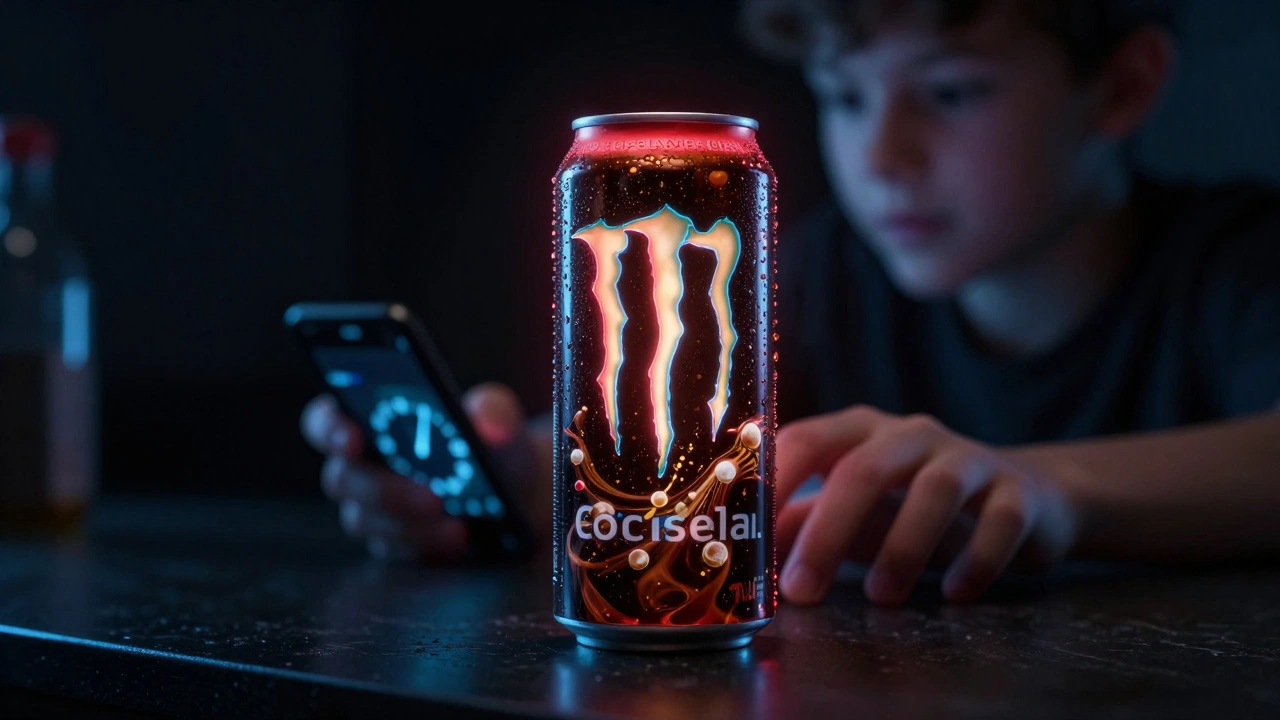
Taurine in energy drinks isn't harmful alone, but combined with caffeine and sugar, it can spike heart rate, disrupt sleep, and pose risks for teens and those with health conditions. Here's what you need to know.