
Taurine in Energy Drinks: What It Does, Who It Affects, and What to Watch For
When you see taurine, a naturally occurring amino acid found in meat, fish, and human tissues, often used in energy drinks to support nerve function and muscle control. Also known as 2-aminoethanesulfonic acid, it’s not a stimulant—but it doesn’t work alone. Most energy drinks pair it with caffeine, and that’s where things get interesting. Taurine doesn’t give you a buzz, but it helps your body handle the stress caffeine puts on your heart and nervous system. Studies show it may help regulate heartbeat and reduce oxidative stress, which is why you’ll find it in nearly every major energy drink—from Red Bull to Monster.
But here’s the catch: taurine’s benefits are tied to context. In a can with 80mg of caffeine and 27g of sugar, it’s just window dressing. In a controlled supplement or a balanced diet rich in whole foods, taurine plays a real role in recovery and brain function. Athletes, for example, often get enough taurine from meat and fish—no energy drink needed. And if you’re sensitive to caffeine, taurine won’t save you from jitters or a crash. It doesn’t cancel out the downsides of sugar or artificial additives. It just tries to keep your body from falling apart too fast.
Some people think taurine is dangerous because it’s in energy drinks. But the real issue isn’t taurine—it’s the combination. The FDA has never flagged taurine as unsafe. In fact, your body makes about 100–200mg of it every day. A typical energy drink adds 1,000mg, which is well below the 3,000mg daily limit studied in clinical trials. The problem? You’re not getting it from a clean source. You’re getting it in a can with high-fructose corn syrup, artificial colors, and enough caffeine to disrupt sleep. That’s the real health risk.
And then there’s the myth that taurine is derived from bull semen. That’s false. Modern taurine is made synthetically in labs. It’s not animal-based. So even vegans can safely consume it—though they’re better off getting it from mushrooms, seaweed, or a balanced diet than from a soda-sized can.
If you’re looking for clean energy, taurine isn’t the hero you need. It’s a supporting player. The real question isn’t whether taurine is good or bad—it’s whether you’re drinking something that needs it at all. Elite athletes skip energy drinks. Tom Brady drinks water and chicken. College athletes avoid them because of banned substances. Even Gatorade Zero, with its electrolytes and no sugar, is a better choice than a can packed with stimulants and mystery ingredients.
So what should you do? If you’re drinking energy drinks for energy, you’re already on the wrong path. Taurine won’t fix that. But if you’re curious about what’s inside your drink, now you know: taurine is harmless on its own. The danger is in the package. Look past the buzzwords. Check the sugar. Read the caffeine. Ask yourself: do you really need this?
Below, you’ll find real reviews, science-backed breakdowns, and honest comparisons of energy drinks that contain taurine—and the better alternatives that don’t make you pay for it later.
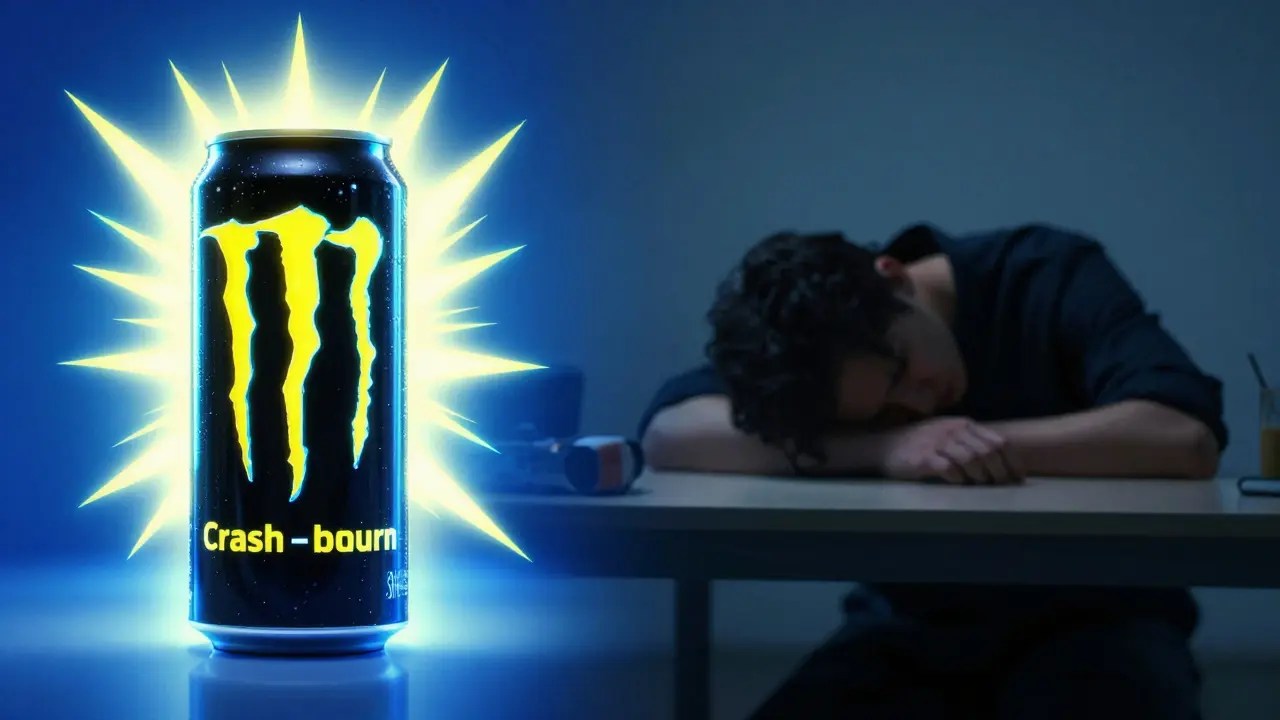
Discover if energy drinks are actually good or bad for you. We break down the ingredients, heart effects, and better alternatives to avoid the caffeine crash.
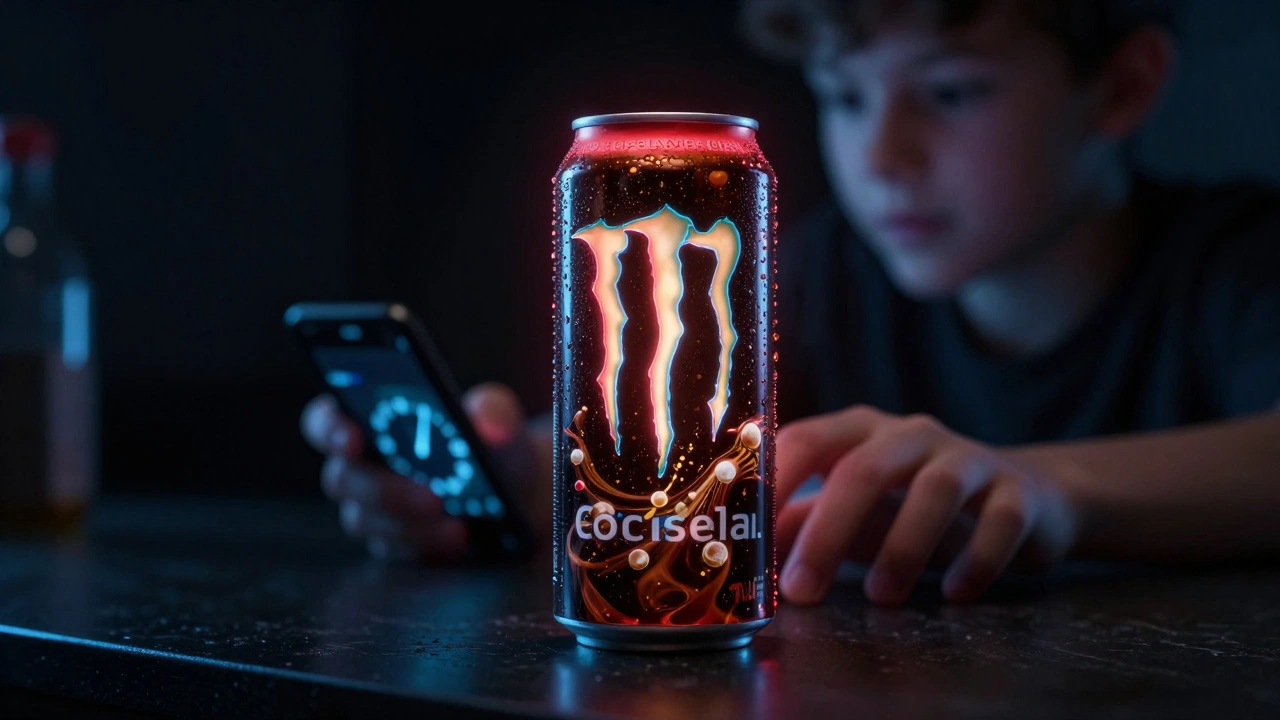
Taurine in energy drinks isn't harmful alone, but combined with caffeine and sugar, it can spike heart rate, disrupt sleep, and pose risks for teens and those with health conditions. Here's what you need to know.