
Energy Drink Moderation: How to Drink Smarter, Not Harder
When it comes to energy drink moderation, the practice of consuming energy drinks in controlled amounts to avoid health risks while still benefiting from their stimulant effects. Also known as responsible energy drink use, it’s not about banning these drinks—it’s about understanding how they interact with your body, your goals, and your daily routine. Most people don’t realize that the problem isn’t caffeine alone. It’s the combo: sugar spikes, artificial sweeteners, and hidden stimulants that pile up over time. Even "low-calorie" versions can mess with your sleep, appetite, and heart rhythm if you’re drinking them daily. The goal isn’t perfection—it’s awareness.
Caffeine intake, the amount of caffeine consumed daily from all sources including coffee, tea, and energy drinks matters more than you think. The FDA says 400 mg a day is safe for most adults—but that’s the max, not the target. A single can of Bang or Reign hits 300 mg. Add your morning coffee and you’re already near the limit. Teens, pregnant women, and people with anxiety or heart conditions should aim much lower. And don’t forget: caffeine builds tolerance. What gave you energy last month might just keep you awake tonight this month.
Low-sugar energy drinks, beverages marketed as healthier alternatives with reduced or zero added sugar, often using artificial sweeteners seem like a smart swap. But here’s the catch: artificial sweeteners like sucralose and acesulfame K don’t magically make a drink healthy. Studies show they can still trigger insulin responses, increase cravings, and disrupt gut bacteria. And if you’re drinking them to lose belly fat? That’s not how it works. Sugar isn’t the only villain—your body doesn’t burn fat by sipping a can labeled "zero calorie." Real fat loss comes from whole foods, hydration, and sleep—not a beverage with a fancy label.
Elite athletes don’t reach for energy drinks before games—they eat bananas, drink water, and time their carbs. College athletes can’t even use them because of NCAA rules on stimulants. And yet, millions of regular people treat these drinks like daily vitamins. That’s not moderation. That’s habit. True energy drink moderation means asking: "Do I need this right now?" Not "Do I want it?" It means choosing natural caffeine sources like green tea or black coffee more often. It means skipping them entirely if you’re already stressed, sleep-deprived, or dealing with high blood pressure.
You’ll find real stories here: what Tom Brady actually eats before a game, why 4 Loko got banned and came back changed, how Gatorade Zero might be worse than soda, and which energy drinks are truly less harmful. No fluff. No marketing spin. Just facts from people who’ve seen the damage—and the alternatives that work.
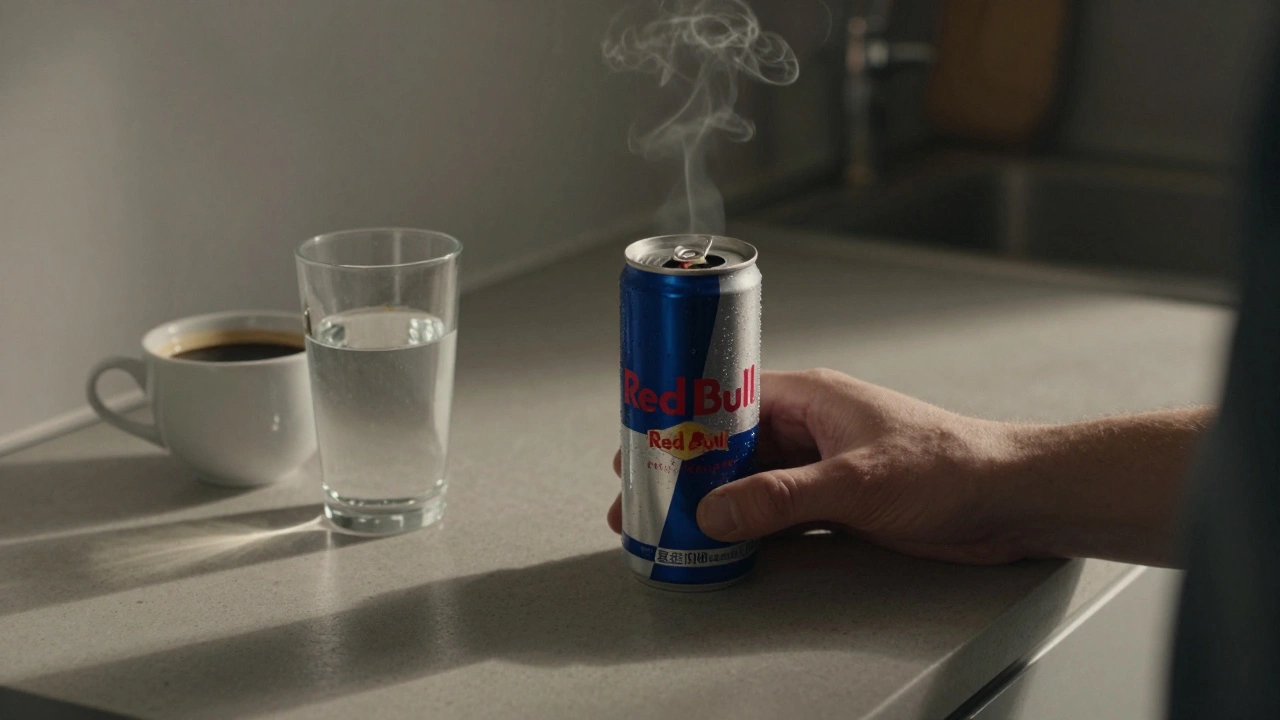
One Red Bull a week won't kill you, but it's not harmless. Sugar, caffeine, and hidden habits can affect sleep, metabolism, and energy long-term. Here's what really happens to your body.