
What is a Hormonal Belly? Causes, Symptoms, and How to Fix It

You know that frustrating feeling when you step on the scale and the number hasn't changed much, but your waistline keeps expanding? You're eating clean, you're active, yet there's stubborn puffiness right around your midsection. That isn't just fat accumulation; it's often what experts call a hormonal belly. Unlike subcutaneous fat-the kind you can pinch anywhere on your body-this type of fat sits deep around your organs. It's driven by internal chemical signals rather than a simple calorie deficit.
In our fast-paced lives, especially here in busy cities like Brisbane, we often overlook the biological messengers running our bodies. We count macros and track steps, but we ignore the quiet rebellion happening in our endocrine system. Understanding why your belly won't budge requires looking past calories and diving into the world of hormones like cortisol, insulin, and estrogen.
This type of fat isn't just cosmetic; it's metabolically active tissue that can release inflammatory markers into your bloodstream. By the time you notice it tightening your jeans, your body has been signaling distress for months.
The Biology Behind Midsection Expansion
To fix the problem, you have to understand the mechanics. Your body stores fat based on safety protocols written into your DNA. When your brain senses danger-whether real stress or perceived nutritional chaos-it changes how it deposits energy reserves.
- Cortisol: Often called the stress hormone, cortisol prepares your body for a "fight or flight" response. Chronic elevation leads the body to store fat centrally for quick access during emergencies.
- Insulin: This hormone manages blood sugar. When insulin levels stay high due to frequent snacking or high-sugar intake, the body stops burning stored fat and starts storing new ones.
- Estrogen: While essential for health, too much or unbalanced estrogen relative to progesterone promotes fat storage specifically in the hips and belly area.
These three players work together. For instance, high cortisol can actually spike insulin production, creating a double whammy that makes losing belly inches incredibly difficult even if you are starving yourself slightly.
Distinguishing Hormonal Fat from Regular Weight Gain
How do you tell if you're dealing with hormones or just overeating? It usually comes down to distribution and timing. If you gain weight everywhere proportionally, it's likely a caloric surplus issue. A hormonal belly presents differently.
| Feature | Hormonal Belly Signs | General Overeating |
|---|---|---|
| Fat Location | Deep, hard belly fat; apple shape | Evenly distributed across limbs and torso |
| Bloating | Chronic swelling regardless of meal | Usually post-meal only |
| Sleep Quality | Poor sleep worsens symptoms immediately | Sleep impact is minimal |
| Diet Response | No change despite strict dieting | Visible reduction with calorie deficit |
If you check off the left column frequently, your metabolic machinery is out of sync. You might also experience fatigue, brain fog, or irregular periods alongside the physical changes.
Hidden Triggers: Beverages and Blood Sugar
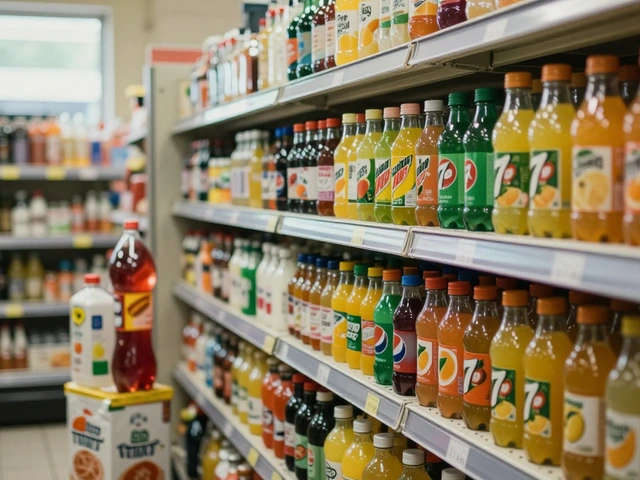
We often think "healthy" because we swap soda for something "better." But does your morning ritual involve those fizzy, caffeinated cans labeled as diet or zero sugar? Here is the trick: these drinks are not biologically neutral.
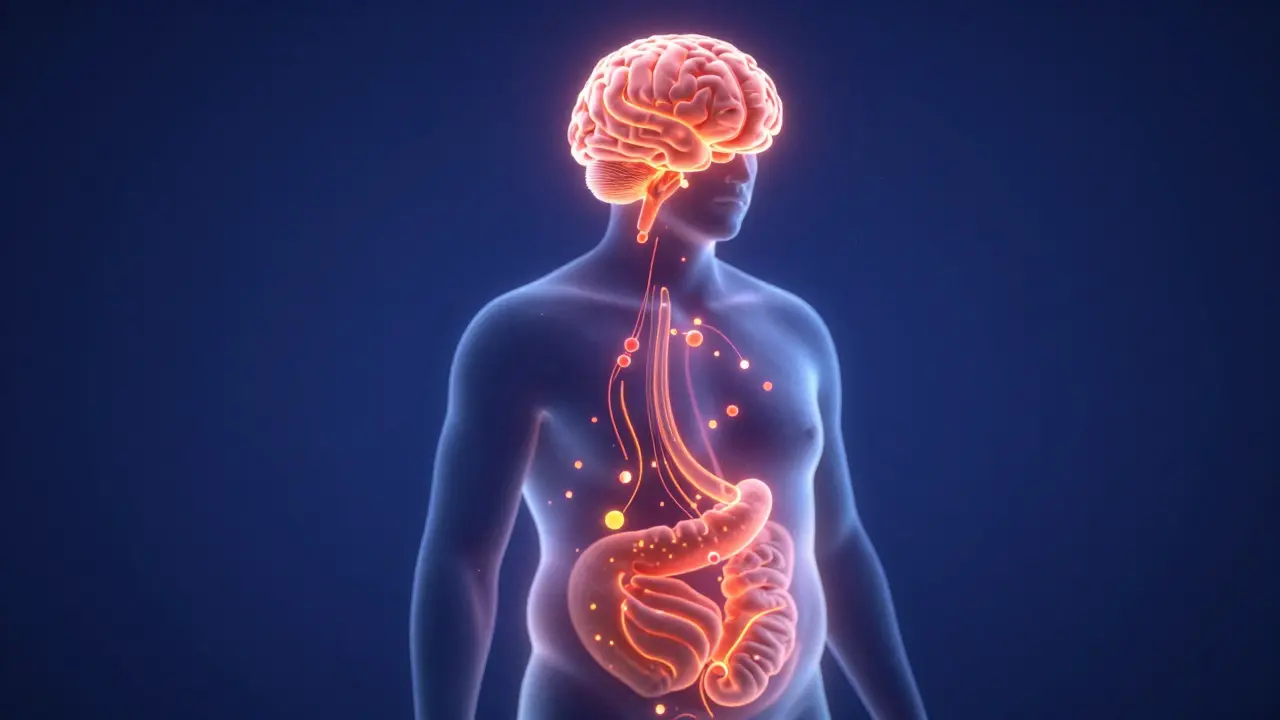
Many low-calorie energy drinks use intense artificial sweeteners like sucralose or aspartame. Studies suggest these compounds can still trigger an insulin response. Even though they lack calories, they confuse the gut-brain axis. Your brain expects sugar, gets none, and spikes insulin anyway to prepare for the influx that never arrives. This constant insulin rollercoaster encourages that stubborn abdominal storage.
Furthermore, excessive caffeine-a staple in these boosters-can chronically elevate cortisol. If you are drinking three cans of an energy drink daily to power through your work week, you are effectively flooding your system with stress hormones that signal your body to hoard fat around the organs.
Consider swapping these for water, herbal tea, or black coffee. Sometimes the simplest switch reduces the hidden hormonal load significantly.
Lifestyle Factors That Worsen the Condition
It's not just about what you put in your mouth. What you don't do matters just as much. Modern life places us under chronic stress without giving us the recovery time needed to reset our chemistry.
Sleep Deprivation
Sleep is when your body repairs itself and regulates hunger hormones. Missing out on quality rest increases ghrelin (the hunger hormone) and decreases leptin (the satiety hormone). In Brisbane, our summer heat can disrupt sleep patterns, causing dehydration and increased evening cravings, which feed into the cycle of poor nutrition and higher blood sugar.
Continuous Movement vs. Rest
While exercise is good, non-stop activity without rest days spikes cortisol. Marathon training or daily high-intensity interval training (HIIT) without recovery can act as a stressor. The body may respond by holding onto visceral fat as a survival mechanism.
Strategies to Reset Your Hormones
Reversing a hormonal belly takes patience, but the results come faster once you stop fighting biology and start working with it.
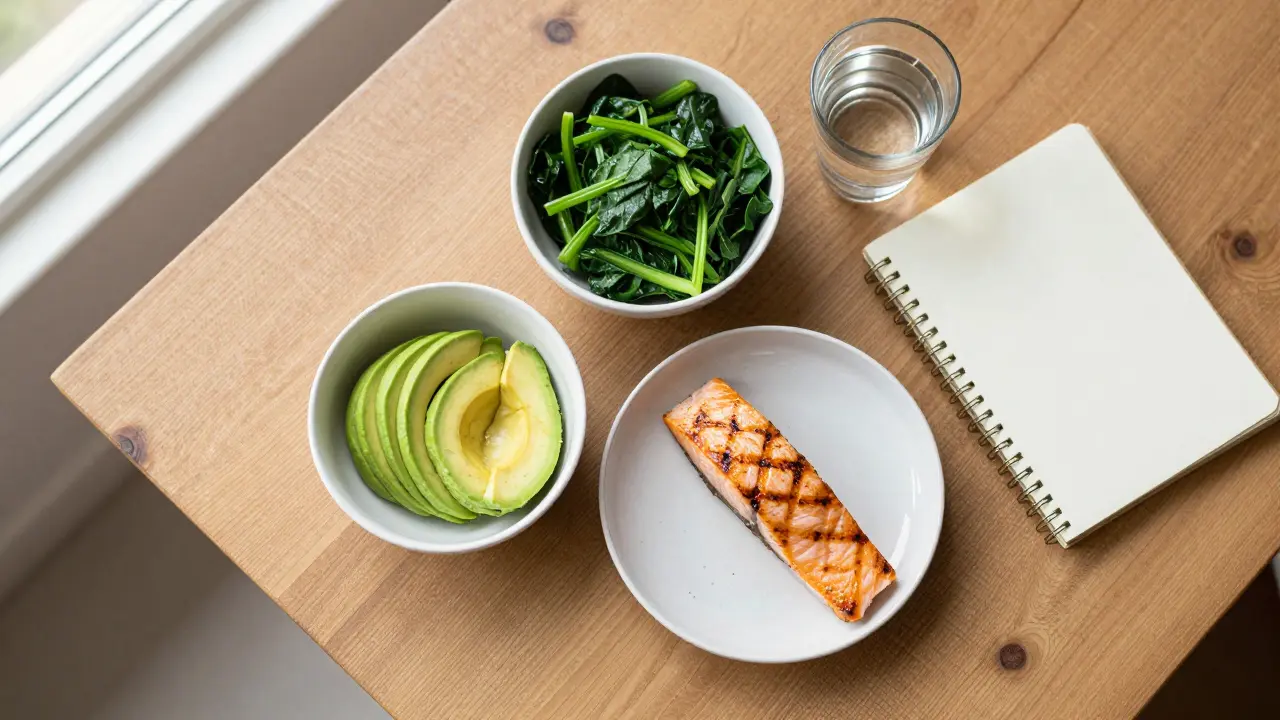
- Prioritize Protein: Include protein in every meal to stabilize blood sugar. Protein requires energy to digest, keeping your metabolism active.
- Fiber Intake: Fiber slows glucose absorption. Aim for leafy greens and cruciferous vegetables to manage estrogen metabolism.
- Stress Reduction: Engage in yoga, deep breathing, or meditation. Lowering mental stress lowers cortisol physically.
- Intermittent Fasting: Giving your pancreas a break allows insulin sensitivity to improve. A simple window of eating between 8 AM and 4 PM works well for many.
- Movement Quality: Focus on walking and strength building rather than punishing cardio. Walking aids digestion and keeps cortisol manageable.
One crucial element is consistency. Hormones don't change overnight. Committing to these habits for at least six weeks gives your endocrine system time to recalibrate.
Nutritional Timing and Caffeine
If you love your morning pick-me-up, timing becomes key. Having high caffeine on an empty stomach raises cortisol early in the day. Waiting until cortisol naturally rises (around 9 or 10 AM) helps minimize the adrenal stress response. This small adjustment prevents unnecessary peaks in that vital stress hormone throughout your afternoon.
Can you get rid of hormonal belly without medication?
Yes, for most people, lifestyle changes regarding diet, sleep, and stress management are sufficient to rebalance hormone levels. Medication is reserved for severe diagnoses like PCOS or hypothyroidism.
Do diet sodas contribute to a hormonal belly?
Artificial sweeteners in diet sodas can trick the body into expecting sugar, leading to insulin spikes that encourage fat storage, even without calories.
How long does it take to fix a hormonal imbalance?
It varies by individual, but generally, significant improvements in blood sugar and stress markers can be seen within 30 to 60 days of consistent lifestyle changes.
What foods help balance insulin and cortisol?
Foods rich in magnesium, fiber, and omega-3 fatty acids, such as avocados, walnuts, leafy greens, and lean proteins, help regulate hormone function.
Is spot reducing belly fat possible?
No, you cannot target fat loss in one area. Reducing overall body fat through diet and exercise is necessary, which eventually reveals the reduced hormonal belly.




Comments (15)
Jim Sonntag
27 Mar 2026
sure lets just blame hrmnes now instead of counting beans like normal folks nobody talks about how lazy people get
John Fox
28 Mar 2026
just sleep more and eat meat
chioma okwara
28 Mar 2026
cortisol is big problem u need to stop drink soda pop its all chemical trick
Samar Omar
29 Mar 2026
Many people read articles without understanding the core mechanics involved here
We often mistake symptom relief for actual biological correction
The endocrine system operates on complex feedback loops we rarely consider
When you ignore cortisol spikes you invite further metabolic chaos
Insulin resistance builds silently over years before the mirror shows it
Eating clean means nothing if your stress levels remain unmanaged daily
Sleep deprivation is a direct assault on your leptin and ghrelin regulation
Most diets fail because they treat the body as a calorie counting machine
True health requires respecting the ancient survival pathways in our DNA
Urban environments are designed to keep us in a chronic state of alert
We must learn to downregulate our sympathetic nervous response effectively
Movement without rest disrupts the delicate hormone balance required
You cannot outrun a lifestyle that triggers constant survival mode alerts
Patience is necessary when recalibrating the systems that took decades to break
Understanding this distinction separates the truly educated from the confused masses
Tasha Hernandez
31 Mar 2026
oh wonderful another buzzword invented to sell expensive supplements to desperate humans
Anuj Kumar
31 Mar 2026
govt want u sick buy meds dont listen to yoga people
Christina Morgan
1 Apr 2026
managing stress is indeed vital for achieving sustainable body composition goals in the modern era
Kathy Yip
1 Apr 2026
its all about finding yor rhythm and not stressing to much over numbers
Bridget Kutsche
2 Apr 2026
protein intake timing is crucial for stabilizing blood glucose levels throughout the day and night cycles
Jack Gifford
4 Apr 2026
the distinction between subcutaneous and visceral fat is scientifically significant here
Sarah Meadows
6 Apr 2026
bioavailability of macronutrients is critical for optimizing metabolic homeostasis parameters within the organism
Nathan Pena
7 Apr 2026
average consumers lack the discipline required to execute such nuanced lifestyle modifications correctly
Mike Marciniak
8 Apr 2026
flavoured drinks contain chemicals that trigger storage signals regardless of sugar content
VIRENDER KAUL
9 Apr 2026
the hypothesis lacks sufficient empirical evidence to support such broad claims regarding dietary impact on hormonal pathways
Deepak Sungra
11 Apr 2026
this really hits close to home i struggle with the same issues everyday