
Drug in Energy Drinks: What’s Really in Your Can and Why It Matters
When you grab an energy drink, you’re not just drinking sugar and caffeine—you’re consuming a drug, a substance that alters your body’s normal function, often through stimulants like caffeine, synephrine, or proprietary blends regulated as dietary supplements. Also known as psychoactive compound, it’s designed to trigger alertness, but often at the cost of your sleep, heart rhythm, and long-term health. The FDA doesn’t treat these drinks like medicine, but many of their ingredients act like one—especially when consumed daily or in large doses.
Most energy drinks contain caffeine, a central nervous system stimulant classified as a drug by the World Health Organization and used medicinally to treat fatigue and apnea in newborns. A single can can pack 200 mg or more—enough to spike your heart rate, trigger anxiety, or disrupt sleep in sensitive people. Then there’s artificial sweeteners, like sucralose and acesulfame K, which are synthetic compounds approved for food use but linked to changes in gut bacteria and insulin response. And don’t forget hidden stimulants—ingredients like yohimbine, dimethylaminoethanol (DMAE), or excessive taurine—that aren’t always listed clearly on labels. These aren’t vitamins. They’re pharmacologically active substances that your body doesn’t need, but that your brain learns to crave.
College athletes get banned for using them. Pregnant women are warned against them. Teens are being hospitalized after mixing them with alcohol. And yet, they’re sold next to soda in gas stations. The real danger isn’t just the sugar or caffeine—it’s that these drinks blur the line between snack and pharmaceutical. You’re not fueling your body. You’re chemically manipulating it. And over time, that rewires your energy system. You start needing the can just to feel normal.
Below, you’ll find real breakdowns of what’s inside popular brands, how these drug-like ingredients affect your heart and metabolism, and what actually works to give you energy without the crash—or the risk. No fluff. Just facts from the science, the labels, and the people who’ve paid the price for believing the marketing.
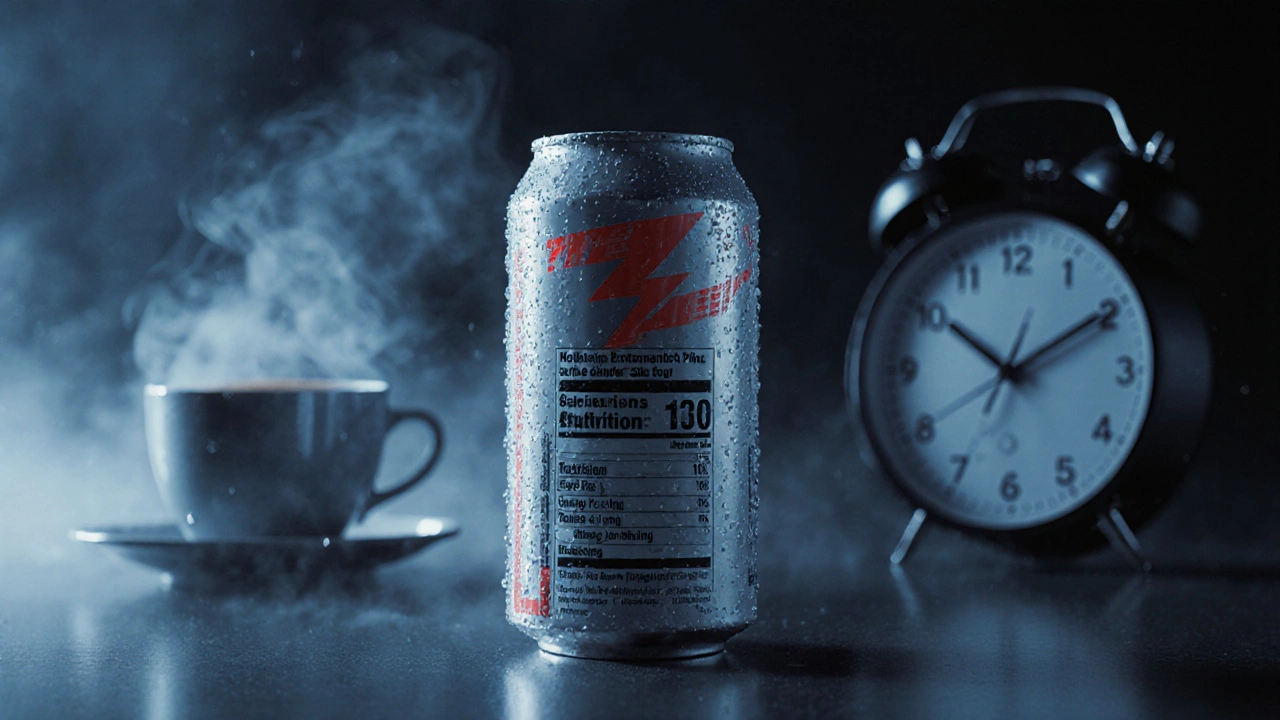
Caffeine is a drug-even in energy drinks. Learn how it affects your brain, why it causes crashes, who should avoid it, and what’s really in your can.