
Athlete Energy Drinks: What Works, What Hurts, and What to Drink Instead
When you think of athlete energy drinks, sports-focused beverages marketed to boost performance with caffeine, sugar, and added stimulants. Also known as performance energy drinks, they’re everywhere—from locker rooms to marathon aid stations. But not all are created equal, and many do more harm than good, even for elite athletes.
Many of these drinks contain caffeine, a powerful stimulant that can sharpen focus but also spike heart rate and disrupt sleep in amounts that exceed NCAA limits, risking eligibility. Others are loaded with sugar, a quick energy source that causes crashes and promotes fat storage—up to 58 grams per can in some brands. Even "zero sugar" options aren’t safe: artificial sweeteners like sucralose and acesulfame K can mess with your gut, insulin response, and even your taste for real food. And let’s not forget hidden ingredients like taurine, synephrine, or proprietary blends that don’t list exact amounts—ingredients banned in some countries and flagged by sports federations.
The real question isn’t whether athletes need energy—it’s how they get it. Top performers don’t rely on cans. They eat bananas for potassium and slow-burning carbs. They sip coconut water for natural electrolytes. They prioritize sleep, hydration with plain water, and balanced meals. The best energy drink for athletes, a beverage that actually supports performance without side effects might not even be a drink you buy—it’s the one you make yourself.
What you’ll find below isn’t a list of top-selling brands. It’s a clear-eyed look at what’s really in those cans, who should avoid them, and what science-backed alternatives actually work. From college athletes banned from drinking certain products to pro runners swapping soda for fruit, these posts cut through the marketing noise. You’ll learn why Gatorade Zero isn’t harmless, why Red Bull and Monster aren’t healthy choices—even for fit people—and what you can drink instead to feel strong, focused, and recovered—not wired and crashed.
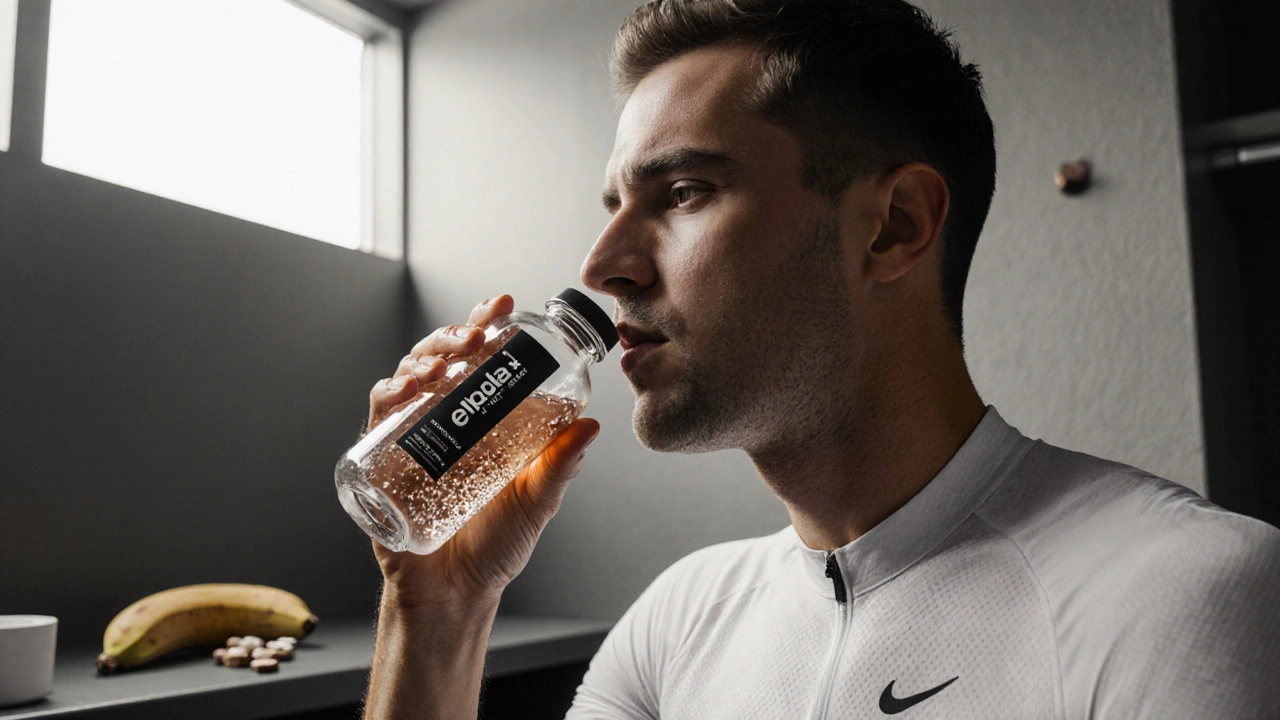
Elite athletes don't drink energy drinks-they drink water, electrolytes, and carefully timed carbs. Here's what's really in their bottles and why sugar-filled energy drinks don't make the cut.